
A person who creates art.
In ELECTRIC FOOTBALL that would be the persons who are the sculptors and 3D designers of the figures, the persons who are the painters of the figures and teams and the persons who are the artist that use electric football items to create works of art.
Lee Payne – US Industrial Designer / Tudor Director of Product Development 1964 – 1968
There is no doubt that Lee Payne is the most recognizable person in ELELCTRIC FOOTBALL that should be included in this Hall of Fame.
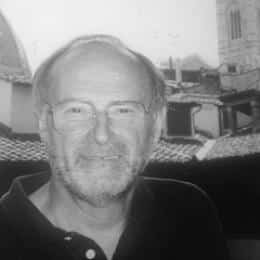
US industrial designer who studied in 1953 at the University of Georgia and played on the freshman football team under Wallace Butts. He originally wanted to be an artist, but a lecture by Charles Eames convinced him industrial design was it, and so he went to the University of Cincinnati and received his degree there in 1958.
In the early 1960s, he worked for Walter Dorwin Teague’s office in New York, where he worked on the AMF monorail exhibit at the 1964 World’s Fair, projects for Federal Express, Tupperware, General Electric, and Tudor Games, for which he developed high-tech electric football and hockey games introduced in 1962.
From 1964 to 1968 he was employed by Tudor as director of product development, and worked with the NFL to refine the electric football game players with realistic poses, trademarks, helmets, team colors and the actual numbers of real players.
In 1968 he established his own design firm, Lee Payne Associates (LPA), in Hastings-on-Hudson, NY, and consulted with many clients. From 1976 to 1988, he chaired the industrial design department at Georgia Institute of Technology in Atlanta. While serving as chair he earned a master’s degree in art history from Emory University. In 1981, he designed the original Smartmodem and chronograph for Hayes Microcomputer Products, Inc. that was featured in a book published by ID magazine, “Product Design-Award Winning Designs for the Home and Office.” In 1983, he won an award in a Formica Corporation contest to show off its new ColorCore material with his Neopolitan ice cream coffee table, now in the permanent collection of the Art Institute of Chicago. Other clients included Chiffon, Bosch Power Tools, IBM, Dow Chemical, Georgia Pacific, KitchenArt, Olan Mills and many others.
He also served on the design team for both the Atlanta (1996) and Salt Lake City (2002) Olympic games.
He moved to Jasper, GA in 1996 but continued to teach at Georgia Institute of Technology until his death in 2003.-Lee Payne, FIDSA – Industrial Designers Society of America
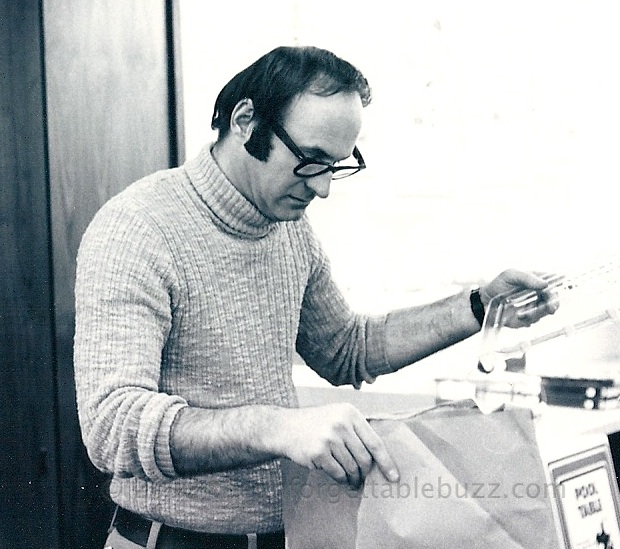
“The person who contributed more to the game’s evolution than anybody else … was Calvin “Lee” Payne.
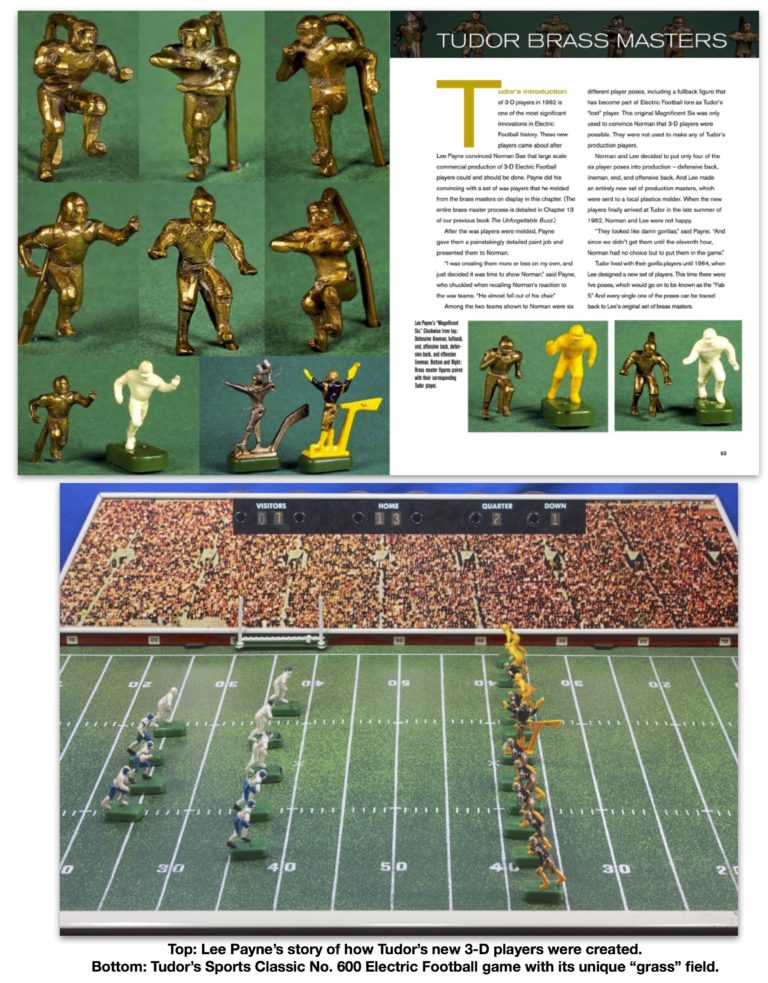
Lee Payne wasn’t even on Tudor’s payroll when he first started working on electric football. But the gifted graphic designer would become Tudor’s first-ever Director of Product Development. The list of Lee’s contributions to electric football is long. For now we’ll keep it brief:
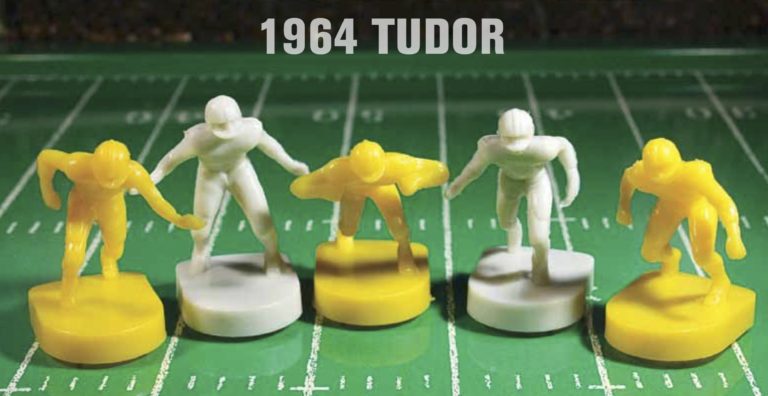
Created Tudor’s first generation of 3-D players (and subsequent generations).
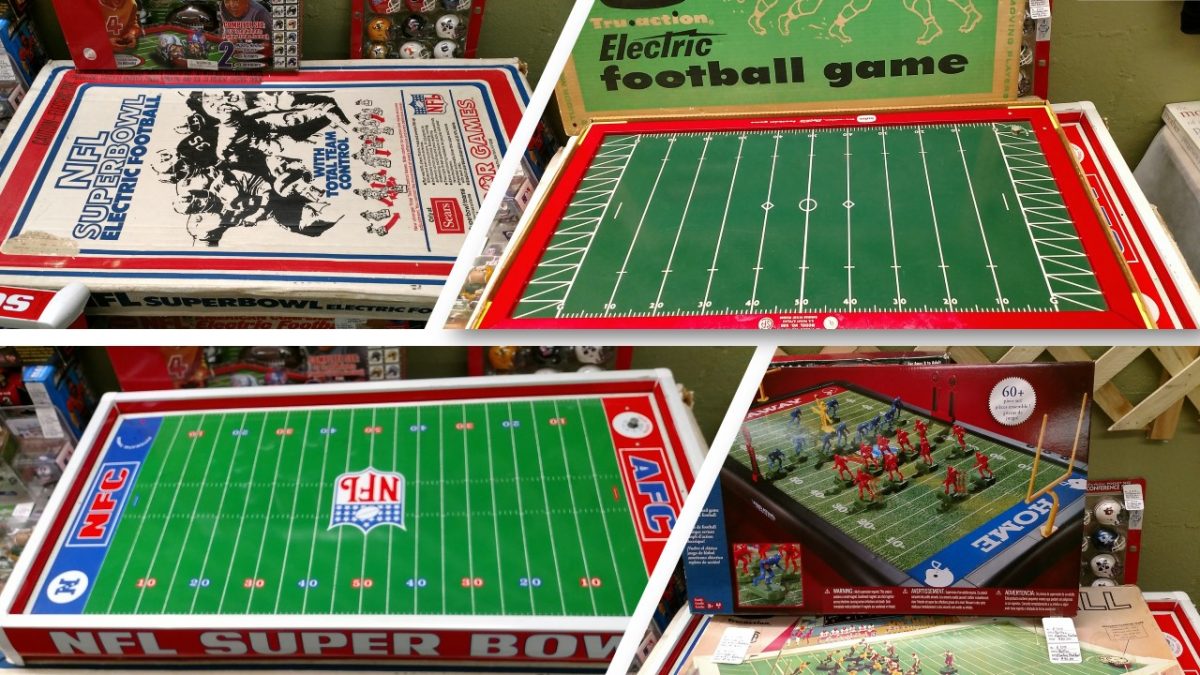
Designed Tudor’s first large game and all of the company’s significant NFL games, including the Sears’ Super Bowl.
Created and photographed the dream-inducing images for Tudor’s Rule Books during the 60’s and 70’s.
Designed Tudor’s colorful packaging and boxes, NFL included.
Responsible for the design and set up of Tudor’s New York Toy Fair showroom.”
Albert Sung – NFL Electric Football Player Painting in the 1960’s
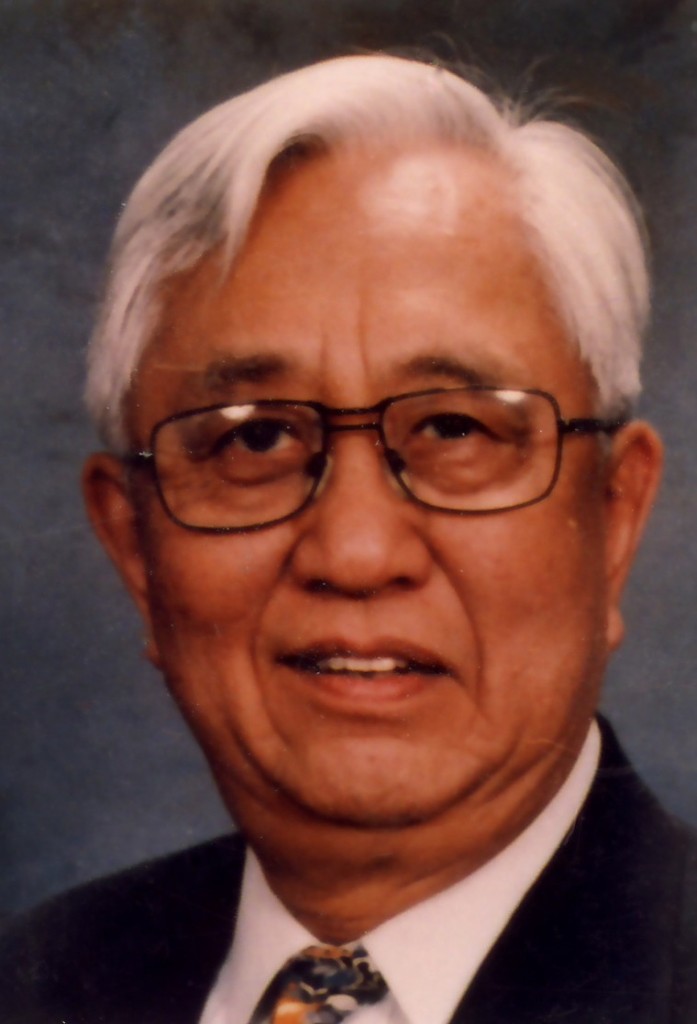
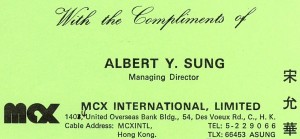
The “toy men” of Electric Football — Norman Sas, Lee Payne, Eddie Gluck, Joe Modica, Brian Clarke, and Don Munro —all have Hall of Fame credentials. But there’s another person who belongs on that list. He had a major impact on every single Tudor NFL Electric Football game and team that was produced throughout the late 1960’s and early 1970’s. That would be Albert Sung.
Mr. Sung worked on the other side of the world in Hong Kong. He was responsible for the molding of Tudor’s players, and also the much bigger job of getting all the NFL teams painted. During the peak season he had 300 workers painting millions of miniature Tudor NFL players. Each painter would have stacks of player pallets containing upwards of 200 Electric Football players. What a daunting task it must have been to sit down in the morning and look at perhaps 1,000 tiny players stacked up at your painting station.
The day’s assignment was to paint each of these players identically…as quickly as possible. There was no time to carefully strive for “perfection.” We’ve been told that a truly accomplished painter could hold three brushes at a time in their non-painting hand, quickly pulling the brush and color they needed — for stripes, helmets, and “grass”— from between their fingers. The best could finish an entire player within minutes.
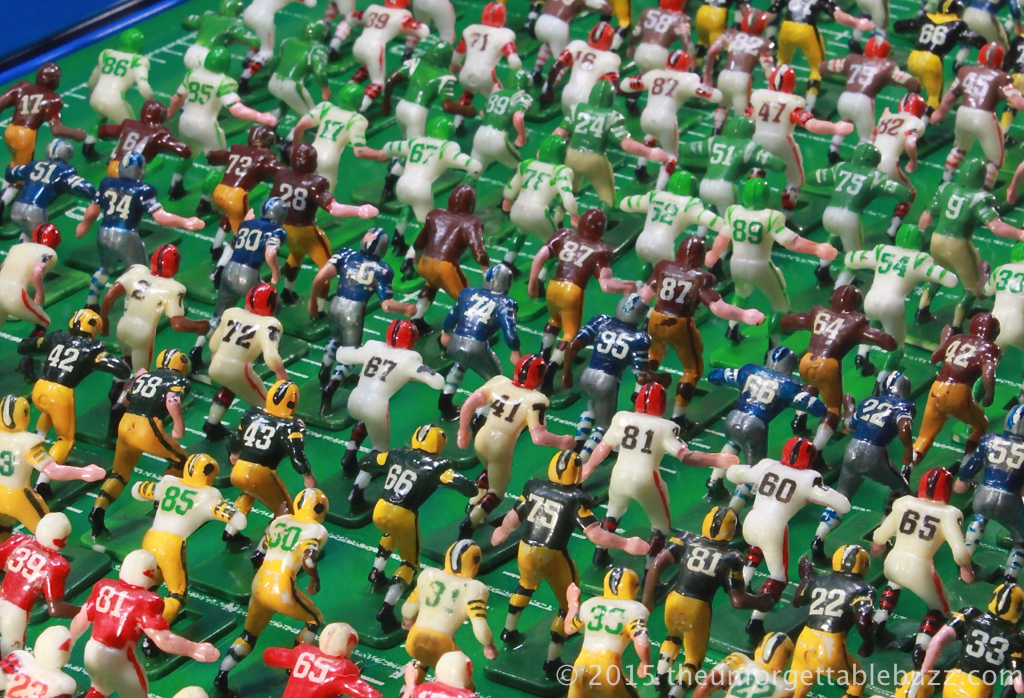
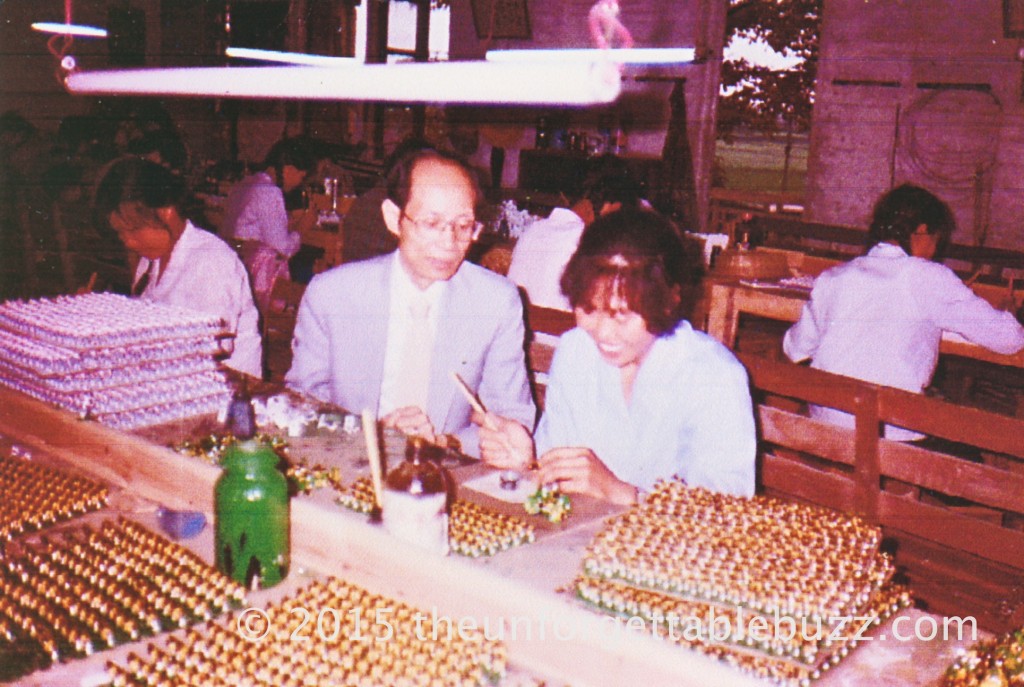
Super Bowl teams, which Norman Sas had to make a “best guess” at by the end of December, always had priority. They were painted during the month of January and shipped by the end of the month so Tudor could get their Super Bowl games ready for Sears. Then Sung and his painting crew moved onto the rest of the NFL teams, with a delivery schedule that stretched from March to September. Mr. Sung recounted that it usually took a month for the teams to simply clear U.S. Customs.
Beyond the actual physical act of painting, Mr. Sung had to order all the paints in the right quantity, and make sure the colors matched those specified by NFL Properties. These were all massive issues, especially with the NFL mandating that all paint be dumped when it was a year old.
Player painting was a monumental task — we think the painters in Hong Kong have NEVER gotten the credit they truly deserve. Even in the years when the painting was less than perfect, it was still an incredibly difficult job. Yet the painted teams were such a critical piece to Electric Football’s greatness, and a major reason why we still have such great memories of playing the game. – Just Who Painted Tudor’s NFL Electric Football Players in Hong Kong?
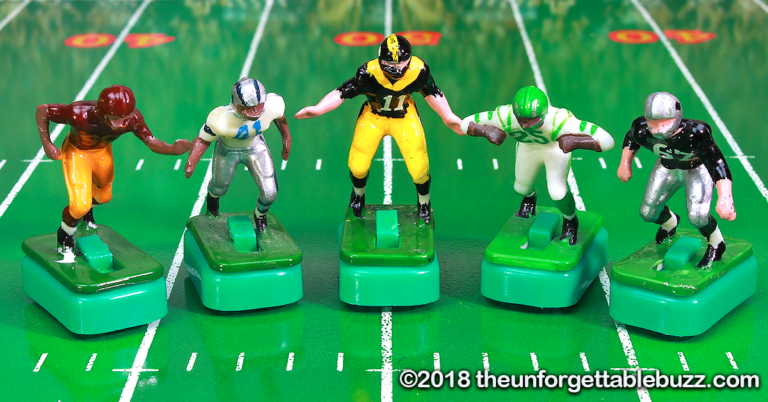
Hong Kong Electric Football Painters “Greatest Hits”
Tudor’s Electric Football painters in Hong Kong. The job they did getting all those tiny NFL teams painted and ready for Tudor was amazing. It was hard work, but they were rewarded well because at the time there were many American toy makers with paint “shops” in Hong Kong. After training up a painter the last thing Albert Sung wanted to do was lose them to a competitor. Sung’s deadlines were tight. He always needed the best painters he could get.
So, let’s take a look at Hong Kong’s “Greatest Hits” — that is, the best work done by Tudor’s painters. And the work is truly special when you recall the photo (see above) showing the stacks of player pallets sitting at each painter’s station. That the painters could impart this much detail to the players…it was a major factor in Tudor earning the top-sellers spot at NFL Properties from 1967-76.
Hong Kong Painters NFL Greatest Hits
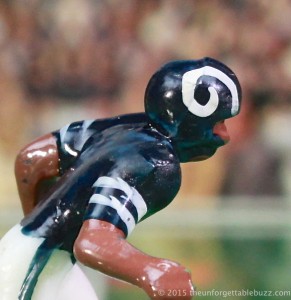
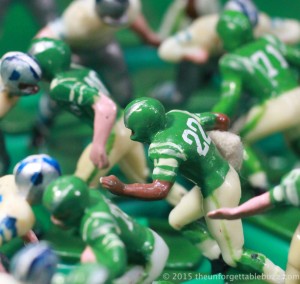
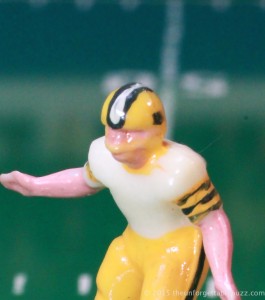
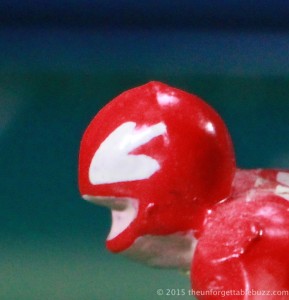
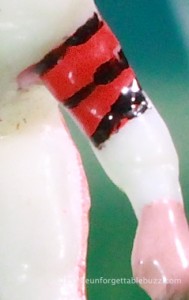
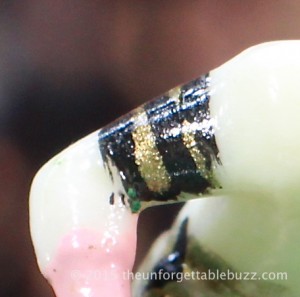
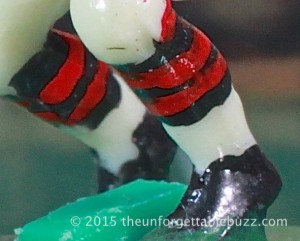
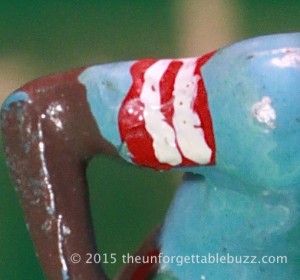
What Tudor’s Hong Kong painters gave us were major upgrades to the Electric Football experience. It took the vision of Lee Payne and Norman Sas, the practical nuts-and-bolts genius of Albert Sung, as well as the very determined and talented hands of unnamed artisans in Hong Kong to create the painted NFL player. – Tudor Hong Kong Painters NFL Electric Football Greatest Hits!
These are the pioneers of the EF Artist Community. There have been many others since, and more and more are being added every day that use electric football teams and figures and yes, even game boards to create some truly amazing works of art.
Visit our NEFGM Art Gallery to learn more about some of the others who make up the EF Artists Community.
And be sure to visit fill out the form found here to nominate your favorite EF Artists for the NEFGM Hall of Fame

